If you’re looking to elevate your sound design skills, you’ve landed in the right place! In this article, we’ll explore 11 essential sound design tips that can enhance your workflow and creativity. Drawing from over eight years of experience and over 16,200 published sound effects, these insights will be valuable whether you’re just starting out or have been in the industry for years.
1. Ear Training
Ear training is crucial for sound designers and audio engineers. It’s surprising how little attention it gets! Here’s how you can improve your ear:
- Practice daily for 5 to 10 minutes using platforms like SoundGym.
- Focus on identifying compression, reverb, EQ, and other audio elements.
- Enhance your skills by doing sound redesigns, using original game audio as a reference.
By training your ears, you’ll better understand the sound you’re working with, especially when mixing sounds together in game audio.
2. Obsession and Hyperfocus are the Fast Track
To truly master a sound, dive deep into it! Here’s how:
- Create numerous versions of a sound effect—aim for a thousand variations if possible.
- Spend a month or more hyper-focusing on one type of sound.
- Analyze the minute details that bring your sound to life.
This level of focus allows you to learn faster and refine your skills significantly.
3. Shorter Feedback Loops = Faster Learning
Getting quick feedback is essential. Here’s how to implement shorter feedback loops:
- Record one item multiple times—aim for 5 to 10 takes.
- Listen back immediately and edit to assess usability.
- Repeat the recording process based on your findings.
Shorter feedback loops help you learn what works best in your recording setup.
4. The Importance of Your Tools
Your recording tools matter! Here’s what to consider:
- Start with what you have, like your phone’s microphone or a handheld recorder.
- Invest in higher-end microphones and recorders for better quality.
- Explore various plugins beyond the stock ones in your DAW.
Investing in quality tools will yield better results in your sound design projects.
5. Asset Creation and Creative Exploration
Setting aside time for creative exploration is invaluable. Here’s how to do it:
- Experiment with different effects chains and synth patches.
- Create unique sound design samples that you can reference later.
- Allow yourself to create weird sounds without judgment.
This practice helps keep your creative juices flowing!
6. Use Studio Monitors
Studio monitors can make a significant difference in your sound design:
- They provide a wider stereo field and clearer sound depth.
- Working with monitors is often more reliable than relying solely on headphones.
- Upgrade to studio monitors when possible for better sound reproduction.
This upgrade can enhance your mixing and editing experience tremendously.
7. SoundID by Sonarworks
Using SoundID can transform your audio experience:
- It flattens the audio response of your speakers, ensuring what you hear translates well across different systems.
- Using SoundID can drastically improve your mixing quality overnight.
- Don’t overlook this software if you want to deliver professional quality sound.
Investing in SoundID is a smart move for any serious sound designer.
8. Speed is Money
Speed is crucial in sound design. Here’s how to enhance your speed:
- Learn hotkeys for your DAW to streamline your workflow.
- Consider using tools like the Elgato Stream Deck for quick access to commands.
- Focus on repetitive tasks to speed up your overall process.
Being faster not only improves your efficiency but also makes you more marketable.
9. Master the Entire Sound Design Workflow
Understanding the full sound design workflow is vital:
- Learn to record, edit, and design sounds from start to finish.
- Familiarize yourself with exporting sounds for game engines like Wwise or Unreal.
- Having a comprehensive skill set makes you a more valuable sound designer.
This holistic approach will set you apart in the industry.
10. Know When to Use 3rd Party Libraries
While it’s great to create your sounds, sometimes you need to use third-party libraries:
- Use them for sounds that are hard to capture, like large crowds or wildlife.
- Always try to record at least one layer of sound from scratch.
- Incorporate third-party sounds as layers to add uniqueness to your projects.
This balance helps you maintain a personal touch in your sound design.
11. Always Invest in Quality and Speed
Investing wisely can yield long-term benefits:
- Think of your purchases as long-term investments.
- Quality tools can enhance your work for years to come.
- Focus on buying equipment that improves both quality and speed.
Remember, people are willing to pay for top-quality work delivered quickly.
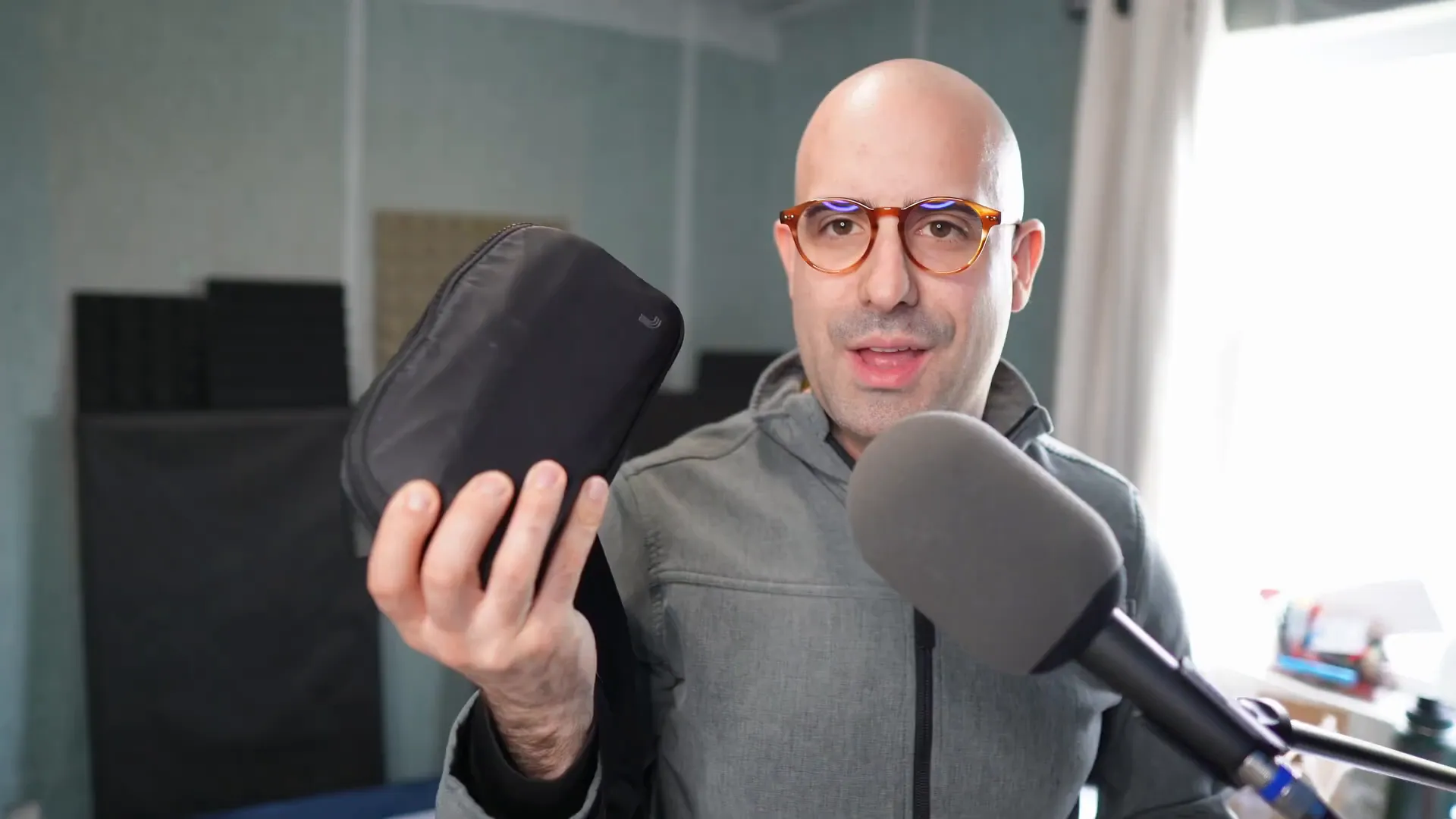
Bonus Tip: Carry a Handheld Recorder
Always have a handheld recorder with you. This allows you to capture spontaneous sounds, like:
- Crowds in public spaces
- Ambulances or fire trucks
- Natural sounds that you encounter throughout your day
Having this tool at your disposal can enrich your sound library significantly.
Conclusion
These 11 pro sound design tips can truly make a difference in your workflow and creativity. Whether you’re just starting out or looking to refine your skills, these insights will guide you on your journey. If you found this article helpful, be sure to check out the accompanying video for a deeper dive into each tip!
FAQ
What is ear training in sound design?
Ear training involves practicing your ability to identify different audio elements like compression and reverb, improving your overall sound design skills.
Why is speed important in sound design?
Speed allows you to deliver projects faster, making you more efficient and marketable in the industry.
How can I improve my sound design skills?
Focus on ear training, practice obsessively, and invest in quality tools to enhance your skills and workflow…and do redesigns!