If you create sound effects and you are always looking for ways to capture interesting perspectives, tiny recorders are hard to ignore. The Instamic Plus Pro C Stereo is one of those devices that immediately gets your attention because it is ridiculously small, records directly onboard, offers 32-bit float, and is even rated waterproof and dust resistant.
On paper, that sounds amazing.
In practice, it is a bit more complicated.
This little recorder does some genuinely useful things, especially for stealth recording, awkward placements, and quick sound grabs on the go. But it also comes with limitations that matter a lot if you care about sound quality, reliability, and flexibility.
Here is the real-world breakdown.
What makes this recorder different
At first glance, it is easy to mistake this for the kind of wearable mic people clip to a shirt for casual video audio. But this is not just a wireless transmitter. It is a self-contained recorder with audio stored directly on the unit.
That matters because it puts it in a different category from most tiny wireless mics.
The standout features are:
- Onboard recording
- Very small form factor
- 32-bit float recording
- Stereo, mono, and mid-side options
- IP67 water and dust resistance
It also uses MEMS capsules and has multiple mic openings around the body, which is how it handles more than a simple mono capture setup.
Recording modes and specs you should know before buying
This is where the marketing sounds a little better than the reality.
Yes, the recorder supports 32-bit float. But no, that does not mean full freedom across all modes.
Here is the important part:
- 32-bit float is limited to mono at 48 kHz
- 24-bit mono is available
- 24-bit stereo is available at 48 kHz
- Mid-side is available at 48 kHz
- 96 kHz recording is limited to 24-bit mono
That means if your goal is stereo ambience or stereo effects with the safety of 32-bit float, this recorder cannot do that. If your goal is high sample rate recording for heavy pitch shifting, you also lose stereo and 32-bit float.
That tradeoff is a big one for sound designers.
If you are newer to field recording and want a broader process for building effects from recordings like these, this sound design workflow guide is a solid companion.
How the recorder works on its own
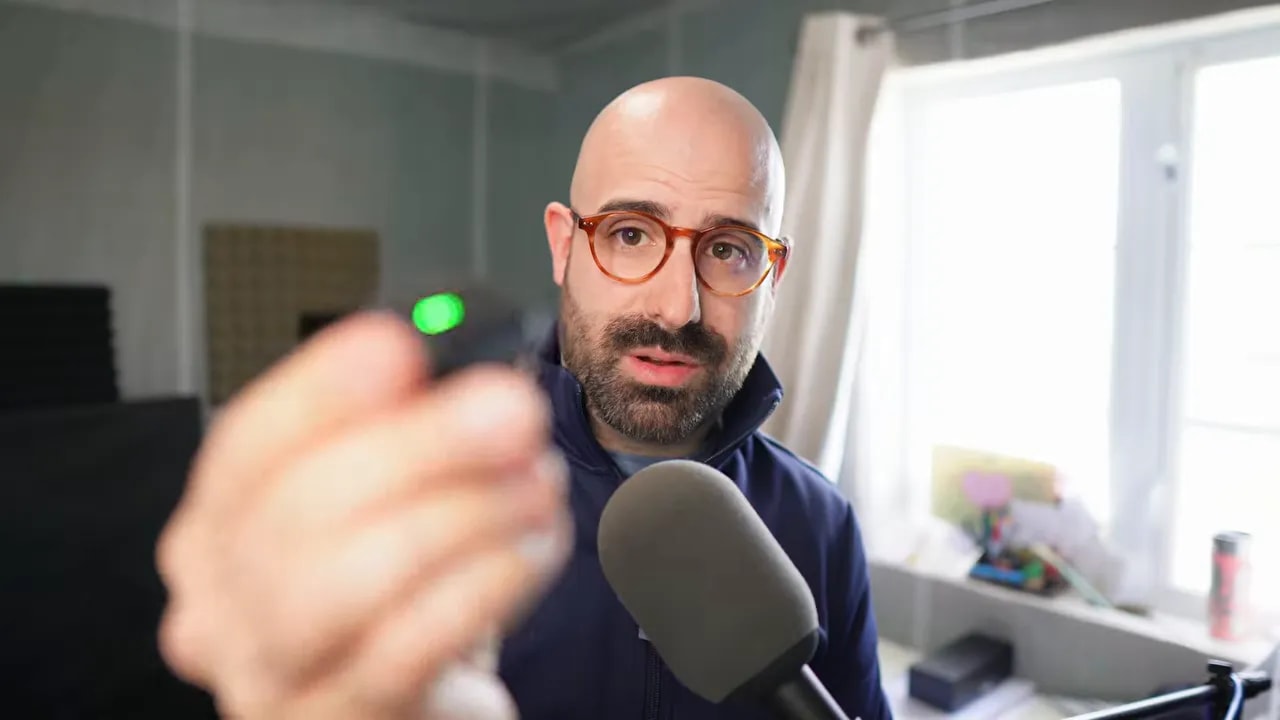
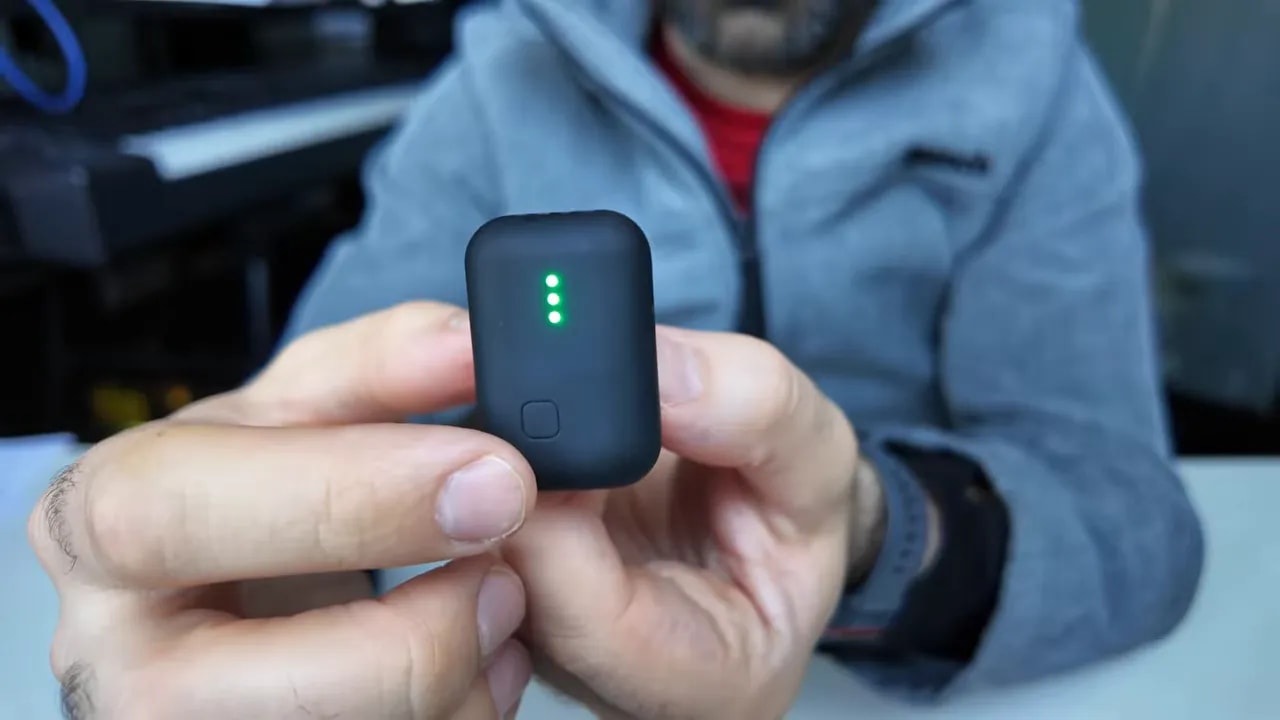
Using the recorder directly is actually very simple. There is basically one button, and once you understand the light behaviour, it is easy enough to operate.
The basic workflow looks like this:
- Hold the button to power it on
- Wait for the green lights
- Press once to start recording
- Look for red lights to confirm it is rolling
- Press again to wake the lights if needed
- Press once more to stop and save the file
- Hold the button to power it down
One thing that can throw you off is the LEDs turning off after about 10 seconds while recording. That is apparently to save battery. The recorder is still running, but visually it can look like nothing is happening.
That is not a dealbreaker, but it is something to be aware of if you want obvious confirmation that your sound is actually being captured.
The app adds more control, but it is not flawless
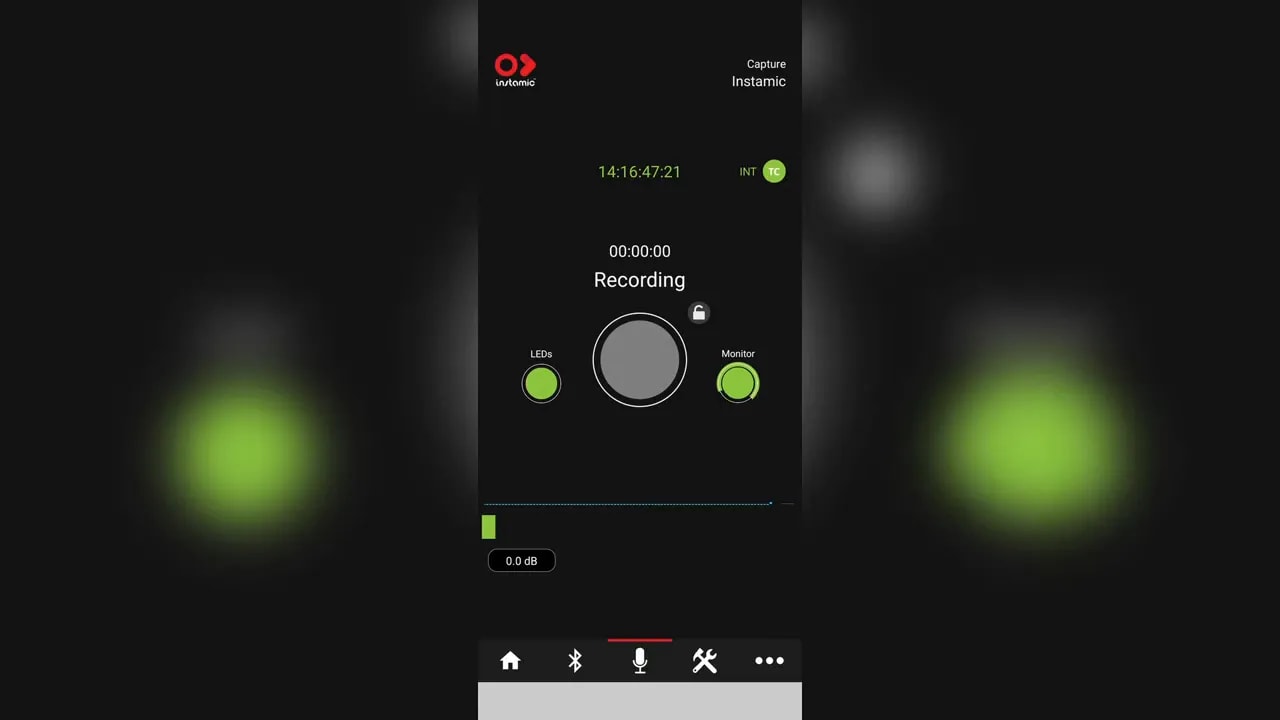
The Instamic app is where you get more meaningful control over the recorder. Once connected over Bluetooth, you can:
- Choose recording mode
- Set sample rate options
- Monitor audio remotely
- Start and stop recording
- Adjust gain while recording
- Check battery and firmware
That gain adjustment is especially useful when dealing with louder sources. For example, when recording something aggressive like a train, reducing gain significantly can help avoid a wrecked take when using 24-bit recording.
The monitoring function is handy too because it lets you hear the perspective from wherever the mic is placed. That is useful when the recorder is inside a car, mounted somewhere awkward, or placed where your normal rig would never fit.
The confusing part is that monitoring can look like the app is recording even when it is not. So you need to pay attention to what mode you are actually in.
What the recorder is actually good at
Before getting into the downsides, it is worth saying this recorder really does have a place.
Its best use case is not as a primary field recorder. It shines as a specialty tool.
1. It fits where other mics cannot
This is the biggest advantage by far.
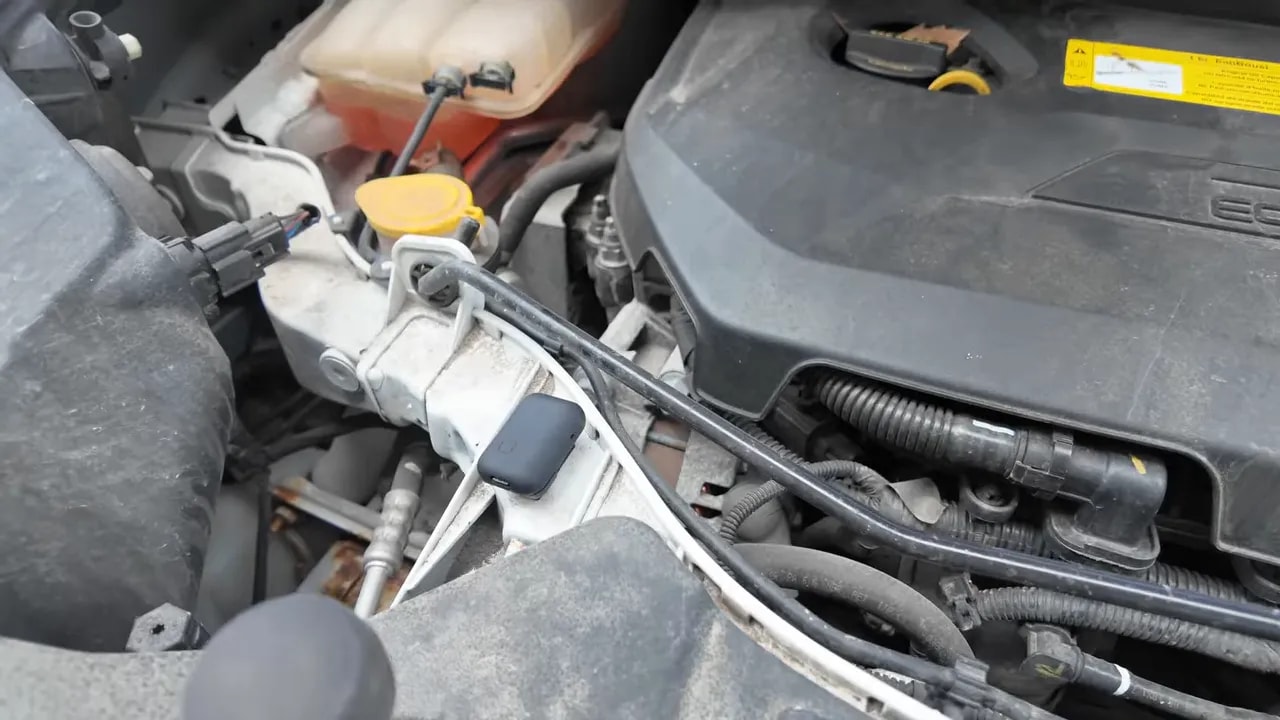
Because it is so small, you can place it in tight or unusual spots to capture perspectives you would never risk with expensive microphones or larger rigs.
Examples include:
- Under a car
- Inside an engine bay
- In machinery housings
- Hidden in discreet recording positions
- Mounted in unusual environmental locations
That alone makes it useful. Unique perspective often matters more than technical perfection when you are gathering raw sound material.
2. It is easy to carry all the time
This is the kind of recorder you can keep in your pocket without thinking about it. That makes it much more likely you will actually use it.
And honestly, a decent recording you captured is better than the perfect recording you missed because your main rig was at home.
That is one reason pocket tools like this can be so valuable for sound effects work.
3. It is good for one-off opportunities
If something unexpected happens and you need to grab the sound quickly, a recorder like this can save the day.
It may not give you the most refined result, but it can still get you usable source material fast.
4. It is easy to hand off to someone else
This is a surprisingly practical benefit.
If someone else has access to a sound source you cannot reach, you can hand them the recorder and let them capture it. Because operation is simple, they do not need to understand a full field recording rig.
That makes it useful for vehicles, events, or locations you cannot personally attend.
5. The mounting options are genuinely useful
The included clips add a lot of flexibility.
You get:
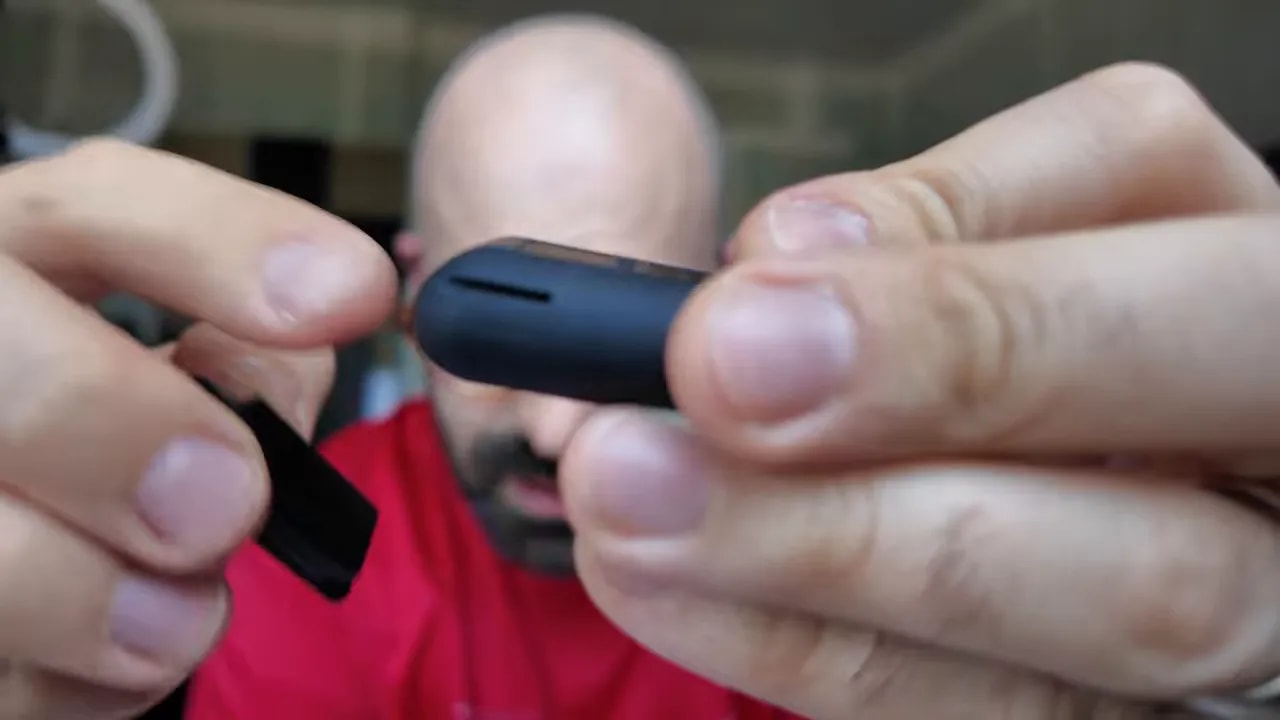
- A magnetic mount
- A Velcro mount
- A flat adhesive style mount
The magnetic mount is especially nice. It is strong enough to hold the recorder in place in situations where a weaker accessory would be useless.
For a tiny device, that opens up a lot of placement ideas.
The main cons you should take seriously
This recorder is cool, but it is not perfect. Some of the limitations are mild annoyances. Others are more important.
1. The 32-bit float implementation is limited
This is probably the biggest disappointment.
Calling it a 32-bit float recorder is technically true, but it creates expectations that are not fully met. Since 32-bit float is only available in mono at 48 kHz, you lose a lot of the flexibility many people expect from that feature.
If you were hoping for 32-bit stereo ambience capture, this is not that.
2. 96 kHz is mono only
High sample rates are useful when you want to pitch sounds down and preserve more detail. But here again, you are limited to 24-bit mono if you want 96 kHz.
So if you want both stereo perspective and aggressive sound design flexibility, you have to compromise.
3. Bluetooth connection can be unreliable
The app is useful, but the Bluetooth connection is not something I would call rock solid.
Issues include:
- Having to be very close for connection
- Dropping connection after walking a short distance away
- Occasional refusal to connect until everything is reset
If you plan to place the recorder, walk away, then control it comfortably from a distance, lower your expectations.
In practice, it is better to connect while close, set things up immediately, and start recording before moving away.
4. No removable storage
There is no SD card slot. Storage is built in.
That makes the design compact, but it also means:
- You cannot swap media
- You depend on the internal memory staying healthy
- If something goes wrong, there is less flexibility
Not everyone will care, but it is worth knowing.
5. It gets warm when charging or transferring files
This recorder can get noticeably hot when plugged in, especially during charging or file transfer.
Not so hot that it is unusable, but warm enough to make you notice and wonder about long-term durability.
6. The sound quality is decent, not amazing
For sound quality, I would call it usable but not outstanding.
The most noticeable issue is a tendency toward too much top end. Depending on the mode and perspective, recordings can sound a bit hissy or overly bright.
Some specific behaviour stood out:
- Mono can sound thinner and brighter
- Stereo tends to feel flatter and more balanced
- Mid-side can make the centre signal feel very top-end heavy
That does not make the recorder unusable. You can often tame it later in post. But I would not reach for this first if the goal was the nicest, most natural recording of a voice or a polished hero sound.
7. No carrying case is included
For something this small, a proper case would have made a lot of sense.
Without one, it tends to get tossed in a pocket or pouch, which leads to another annoying issue.
8. It can accidentally turn on in your pocket
This happened more than once. Because the button is easy to press, the recorder can power up and start recording while sitting in a pocket.
That can leave you with:
- Drained battery
- Huge unwanted files
- A dead recorder right when you actually need it
A hard case would help a lot here.
9. Low battery can complicate file transfer
If the battery is completely drained, the recorder may not be recognized by the computer right away when plugged in. It may need some charge before file transfer works properly.
Again, not catastrophic, but inconvenient.
10. 32-bit float did not handle extreme loudness as expected
This was one of the stranger findings.
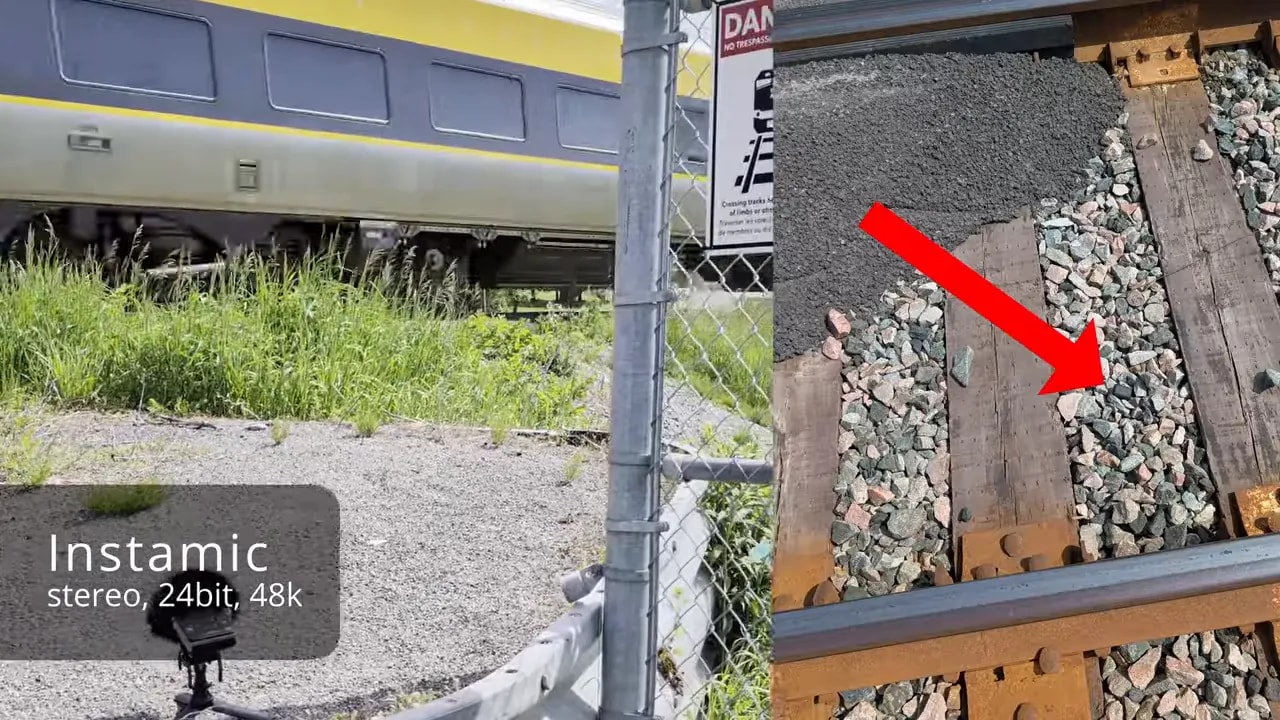
With an extremely loud source like a train passing directly overhead, the 32-bit float mode did not behave the way you might hope. The recording clipped badly and the tonal balance shifted in an unpleasant way.
Oddly enough, a 24-bit recording with the gain pulled way down handled the same situation better.
That suggests the bottleneck is not just bit depth. The mic capsules themselves can still overload.
So if you are thinking 32-bit float means invincible recording no matter what, not here.
11. Reliability is not perfect
There was at least one instance where a recording seemed to have started, but no file was there afterward.
That may be user error once in a long while, but combined with a few app quirks, it does raise some trust issues.
One example is the app occasionally displaying an impossible combination like 32-bit at 96 kHz, even though the recorder cannot actually do that. When the software behaves like that, it makes you question what it is really doing.
12. It is so small that it is easy to misplace
This is both a pro and a con. The tiny size makes it easy to carry and hide, but also easy to forget, lose, or leave somewhere.
About the waterproof rating
Yes, it is waterproof in the sense that it can survive water exposure. No, that does not mean it is an underwater recorder in the practical sound design sense.
When tested in moving water, the results were not useful. Water moving across the mic openings ruined the recording quality.
So the right way to think about the waterproofing is durability, not underwater performance.
If it gets wet, make sure it is completely dried out before charging or using it again. Getting moisture out of the mic openings and USB-C port is important.
Who this recorder is actually for
This is not the recorder I would recommend as a first field recording device.
It is also probably not the second recorder I would buy either.
Where it does make sense is as a specialty tool for:
- Sound designers who want unusual recording perspectives
- Anyone needing stealthy, discreet sound capture
- Recording in cramped places where larger rigs do not fit
- Quick on-the-go sound grabs
- Capturing material in situations where risking an expensive mic would be a bad idea
If that sounds like your use case, then this little recorder can absolutely earn its place in your kit.
If you are building a broader library of usable game audio, grabbing a free sound designer starter pack can also help fill in the gaps while you figure out which recording tools are worth investing in.
Final verdict
The Instamic Plus Pro C Stereo is a cool little recorder with a very specific purpose.
What it does well:
- Fits almost anywhere
- Is easy to carry every day
- Can capture unique perspectives
- Offers onboard recording in a tiny package
- Includes useful mounting options
- Gives you some 32-bit float safety in mono
Where it falls short:
- 32-bit float is more limited than expected
- Bluetooth can be unreliable
- Sound quality leans harsh in the highs
- It can overload on extreme sources
- The app has some confusing behaviour
- It is not always the most confidence-inspiring recorder
So is it worth it?
If you want a tiny recorder for special placements, hidden perspectives, quick grabs, and experimental sound effects work, yes, it can be very useful.
If you want a do-everything professional recorder with full 32-bit flexibility and bulletproof reliability, this is not that.
It is best treated like a creative utility tool, not your main recorder.
If you want to check out the exact model, you can find the Instamic recorder here. And for more recording and sound design resources, the audio archive has more gear and workflow posts worth exploring.